


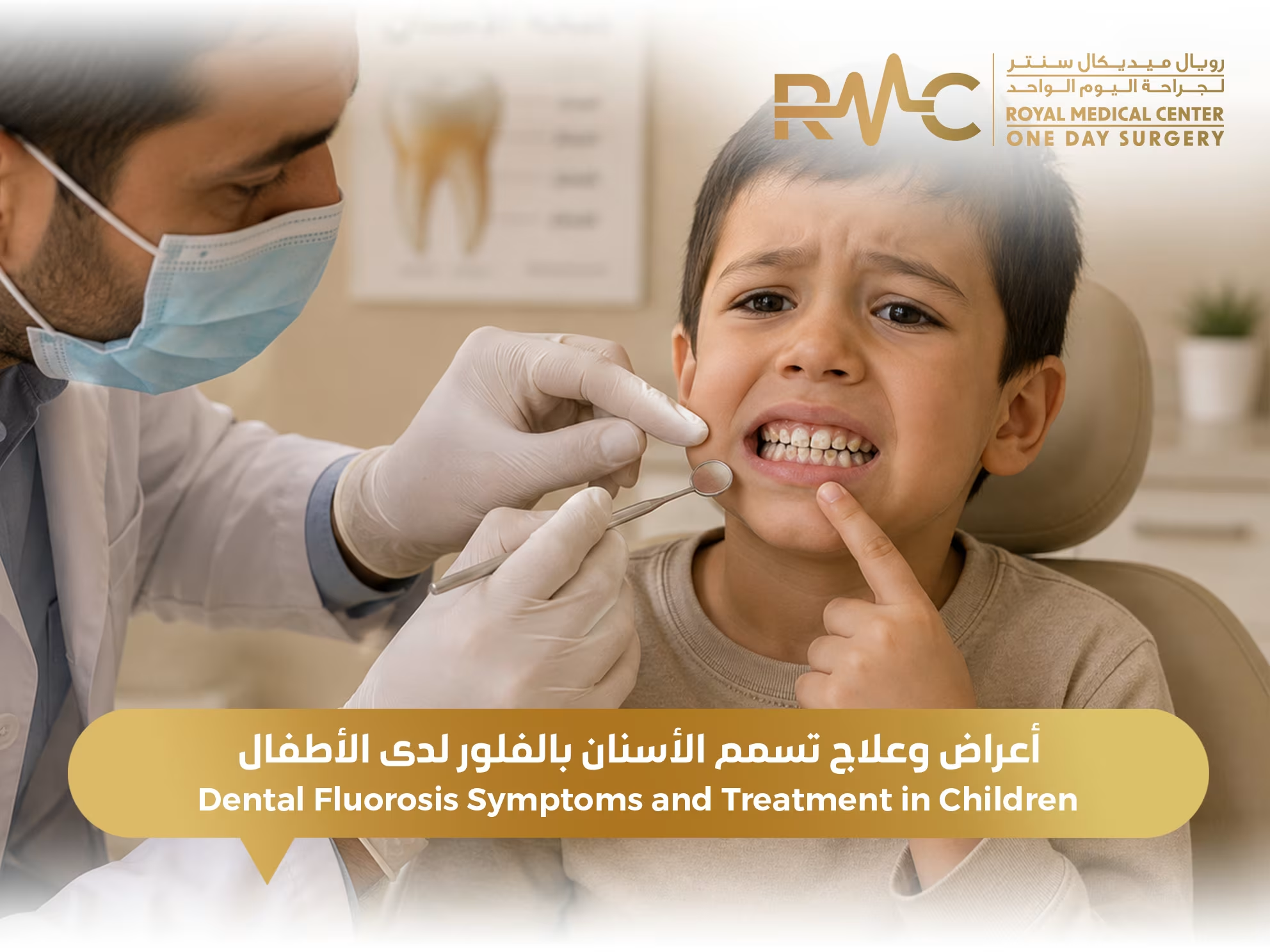
Parents may occasionally see thin white lines, hazy patches or brown spots forming on their child’s teeth. Tooth decay is the initial worry, however these changes may occasionally be related with dental fluorosis in children . Dental fluorosis is a change in look of dental enamel that occurs during development while permanent teeth are developing under the gums, and is caused by exposure to too much fluoride.
When utilised in suitable doses, fluoride serves a crucial function in building tooth enamel and helping prevent cavities. But too much fluoride during early growth may interfere with enamel formation. Dental fluorosis symptoms may vary greatly in appearance and severity, from minor white flecking to more severe discolouration and surface problems.
Parents can get proper dental counsel and safeguard their children’s oral health by understanding the dental fluorosis symptoms, its probable causes and the available fluorosis therapy for kids.
Dental Fluorosis in Children: What Is It?
Dental fluorosis in children is caused by excessive ingestion of fluorides during the formation of permanent teeth. It’s not an infection, it’s not a communicable dental disease — it’s a disorder that changes how tooth enamel is made.
The alterations are made prior to eruption of the involved permanent teeth. Dental fluorosis is not caused by fluoride exposure once the teeth are completely grown.
Children with mild dental fluorosis may develop faint white lines or patches that are hard to see. In more serious situations there may be a yellowish or brown discolouration and in the most severe cases there may be changes in the surface of the enamel.
By looking at these changes, the dentist can differentiate fluorosis from other diseases that may also cause white or discoloured patches on the teeth of youngsters.
What are the Causes of Dental Fluorosis?
Understanding causes of dental fluorosis is especially essential as fluoride may be obtained from various sources. Fluorosis is a condition that occurs while teeth are growing and there is overexposure to fluoride.
Possible causes of high fluoride intake include:
- Swallowing fluoride toothpaste often, especially when a youngster is too small to spit it out correctly.
- Using more than the recommended amount of toothpaste for the child's age
- Concurrent exposure to fluoride from more than one source.
- Use of fluoride supplements when not needed or without expert advice.
Don’t instinctively reject fluoride itself. In suitable doses it is of aid in protection of teeth against decay. The idea is to make sure children get the proper quantity based on their age, their specific dental requirements, and the fluoride concentration of their local water.
What are the Dental Fluorosis Symptoms?
The emergence of dental fluorosis signs is mostly related to the extent of enamel modifications. While mild instances may be difficult for parents to detect, fluorosis may progress to create obvious discolouration.
Common fluorosis symptoms in children may be:
- White patches or lines: A frequent and early sign is white patches on the teeth of children. They may appear as faint lines, foggy spots or opaque areas on the enamel.
However, not all white patches are caused by fluorosis. This look may be caused by early tooth decay, issues with enamel growth, and other diseases. So it's vital to have an expert examination.
- Cloudy or Chalky Enamel: The enamel may look abnormally opaque or chalky rather than the typical transparent appearance of healthy teeth.
- Brown or Yellow Discolouration: Fluorosis that is moderate to severe might cause brown or yellow patches on teeth. These alterations may be more apparent on the front teeth and may lead to cosmetic problems as youngsters become older.## 4. Irregularities on the Surface
Severe fluorosis may cause damage to the enamel surface, creating pits or uneven regions. This kind is much more obvious than moderate fluorosis and should be evaluated by a dental specialist.
Are Fluoride Spots on Teeth Permanent?
Parents who observe fluoride spots on teeth frequently ask “Will they disappear on their own?” Because fluorosis occurs while the enamel itself is being formed, the alterations to the underlying enamel often do not just go away with normal brushing.
But this does not imply that the look can not be enhanced. Depending on the age of the kid and the severity of the problem, a dentist may suggest monitoring or suitable cosmetic or restorative treatment.
Mild fluorosis may not need medical treatment if the teeth are generally healthy. Treatment may be necessary for discolouration that affects the look of a tooth, or more substantial alterations in the enamel.
How Is Dental Fluorosis Diagnosed?
Diagnosing fluorosis is not just about seeing white or brown patches on teeth. The dentist will generally look at the pattern, colour, distribution and texture of the enamel alterations.
The dentist may also inquire about the child’s history of fluoride exposure, including the usage of toothpaste, drinking water, supplements, and prior dental procedures.
This assessment is necessary because white spots on children’s teeth may also be linked to early decay, enamel hypoplasia, trauma during the formation of the tooth, or other developmental diseases.
A correct diagnosis is important for determining if therapy is needed and what strategy is most appropriate.
How to Treat Fluorosis of Teeth in Kids?
The selection of dental fluorosis treatment relies on the child’s age, the grade of fluorosis, the state of the enamel and the cosmetic concerns. In mild situations, observation may be sufficient, while more obvious problems may need expert attention.
Common techniques to children fluorosis treatment include:
Monitoring at the central station
Very mild fluorosis usually does not need active treatment. Your dentist might track your teeth at regular visits and provide advice on adequate fluoride exposure.
Microabrasion of Enamel
Some superficial enamel alterations might be considered by dentists for microabrasion. This process involves the meticulous removal of a very thin layer of enamel to assist minimise the appearance of certain stains or abnormalities.
The suitability of this relies on the age of the kid and the kind and degree of the discoloration.
Teeth Whitening - Professional
Occasionally older children or teenagers with acceptable teeth and gums might be considered for whitening. It is not suitable for every kid or for every kind of fluorosis and only after expert evaluation should therapy be considered.Resin Infiltration or Bonding
Some white enamel abnormalities may be treated with less invasive cosmetic procedures such as resin infiltration. If discoloration is more visible, tooth-colored composite bonding might be utilized to cover problematic regions.
Veneers and other restorative treatment
More elaborate cosmetic restorations are usually reserved for serious situations and are more typically considered when dental development is suitable. The dentist should individualise the treatment choices.
So, no one fluorosis tooth treatment is right for all children.
How Can Parents Minimise the Risk of Dental Fluorosis for Their Children?
Prevention is key in the years of tooth growth and fluoride exposure should be well managed throughout that time.
Young children should be supervised by their parents while brushing their teeth and just the prescribed quantity of fluoride toothpaste should be used. It’s also important to teach young kids to spit out toothpaste, not ingest it.
Fluoride supplements are only indicated when a certified health care or dental expert has evaluated the child's current fluoride sources and made a recommendation.
If your area’s drinking water naturally has high fluoride levels, talk to your child’s dentist. They may assist decide if any modifications in fluoride exposure are necessary, without needlessly diminishing the cavity-preventing benefits of fluoride.
When to Take Your Child to the Dentist?
If you see white, yellow or brown spots on teeth that persist over time, especially after the permanent teeth have come in, it’s a good idea to see your dentist.
If the enamel seems pitted, rough or especially chalky, or if you are unclear whether the discolouration is fluorosis or early deterioration, you should also seek expert guidance.
Early examination may establish the source of the changes in the enamel and help parents understand whether monitoring, preventative care or therapy is required.
Conclusion
Dental fluorosis in children results from excessive fluoride exposure during the development of permanent teeth. More mild instances may be characterised by faint white lines and clouded enamel, while more severe cases may include more obvious fluoride stains on teeth, dark staining, or surface abnormalities.
In knowing the symptoms of fluorosis in children and the possible causes of dental fluorosis, parents may learn to better regulate the amount of fluoride. But at the same time, fluoride is still good in preventing tooth decay if used properly.
If you see signs of dental fluorosis or unexplained white patches on children’s teeth, get a dentist’s opinion instead of attempting to diagnose or cure the staining yourself at home. After a thorough inspection, the dentist will be able to evaluate whether treatment is required and prescribe an appropriate dental fluorosis therapy for children depending on the child's age, the state of the enamel, and the severity of the alterations.
FAQ
Q: What are the typical indications of dental fluorosis in children?
A: The typical indications are pale white lines, white dots or hazy areas on the teeth. Moderate and severe instances may show yellow or brown discolouration and sometimes abnormalities of the surface of the enamel.
Q: How do you manage dental fluorosis in children?
A: Yes.Dental fluorosis therapy in children varies on severity and age of kid. If indicated, options include monitoring, enamel microabrasion, resin infiltration, composite bonding, or other cosmetic procedures.
Q: Do white spots on children's teeth usually indicate fluorosis?
A:No. White spots on children’s teeth may also be caused by early tooth decay, difficulties with the enamel developing, or other dental diseases. An examination will tell you the reason.
Q: What causes dental fluorosis in children?
A: The major cause of dental fluorosis is the ingestion of too much fluoride during the development of permanent teeth. You may be ingesting fluoride toothpaste on a daily basis, or drinking water that has excessive amounts of fluoride, or taking needless fluoride supplements.
Q: Is dental fluorosis preventable?
A: This risk may be avoided by watching young children while brushing, using an age-appropriate quantity of fluoride toothpaste, urging children to spit and not swallow toothpaste, and utilising fluoride supplements only when prescribed by a dentist or healthcare expert.
