


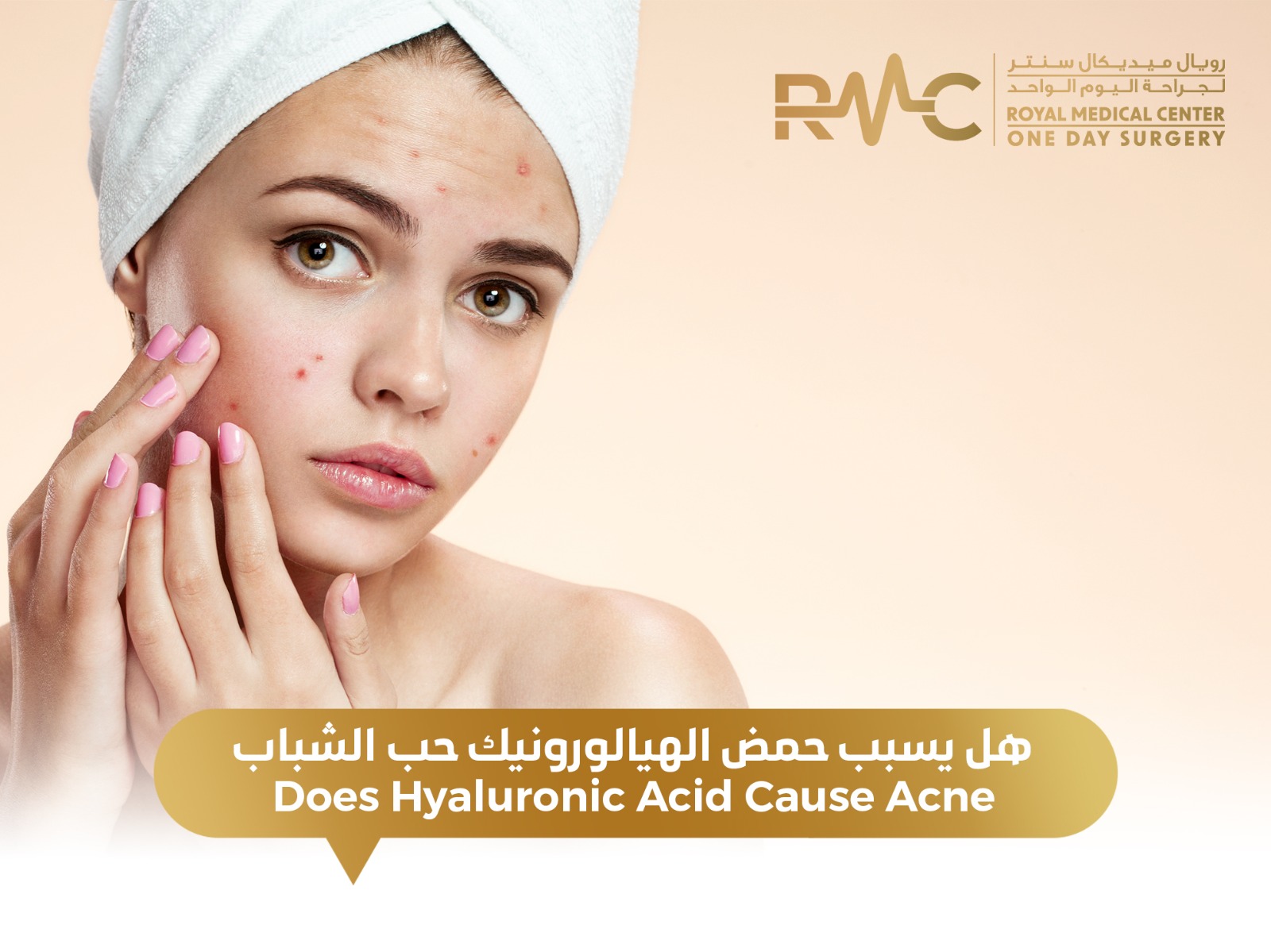
Are you struggling with acne-prone skin? It’s really difficult to find the right skincare product when you have acne-prone skin. Hyaluronic acid is an ingredient that promotes hydration and, in this article, we’ll delve deep into the world of hyaluronic acid (HA) and its potential impact on acne.
What are the Tips for Using Hyaluronic Acid Safely in Individuals with Acne-Prone Skin?
One must follow certain guidelines to securely include hyaluronic acid right into their skincare routine and also possibly build up its hydrating and plumping advantages without exacerbating acne breakouts. For acne-prone skin, one must look for non-comedogenic formulas, apply them to wet skin, and layer it with a moisturizer.
Safe Tips to Use Hyaluronic Acid to Prevent Acne Breakouts
- Begin with a lower concentration: If you're recently making use of hyaluronic acid, begin a product of reduced concentration to see exactly how your skin responds. Try to find products consisting of a reduced percentage of hyaluronic acid or prefer serum rather than cream or moisturizer which might include added active ingredients that might block pores.
- Patch examination: Before using hyaluronic acid items on your face, it is much better to do a spot examination. Use a small amount of product within your arm or behind your ear and also wait 24–48 hours to see if any kind of adverse reactions take place.
- Use a moisturizer: Hyaluronic acid is a humectant as well as it takes out moisture from the bordering setting. To prevent dryness as well as inflammation, it is advised to use moisturizer after the application of hyaluronic acid products.
- Avoid layering with bothersome products: Certain skincare products, consisting of alcohol, retinoids, or exfoliating acids, can trigger dry skin or inflammation when incorporated with hyaluronic acid. It is best to prevent gathering these items with each other to stop irritability or dryness.
- Focus on the formulation: When picking hyaluronic acid products for acne-prone skin try to find non-comedogenic formulations (will not obstruct pores) together with items devoid of possibly irritating active ingredients like scents, alcohols as well as heavy oils.
Does Hyaluronic Acid Work?
Before we dig right into the correlation between hyaluronic acid in addition to acne, let's initially understand what this component is and likewise why it's so widespread in the world of skincare.
Hyaluronic acid is a normally occurring substance discovered in our bodies, particularly in the skin, joints, and eyes. It is a humectant which recommends it can generate as well as maintain moisture. This residential property of hyaluronic acids makes it an exceptional element for hydrating as well as plumping the skin, offering it a lot more vibrant plus radiant look.
In skincare items, hyaluronic acid is typically utilized as a hydrating agent, as well as it is prominent for its capacity to smooth fine lines as well as wrinkles. It can be found in numerous solutions consisting of serums, moisturizers together with injectables used for cosmetic purposes.
Is Hyaluronic Acid Good for Acne?
The answer is yes. Hyaluronic acid can be valuable for acne-prone skin when used properly. Among the essential advantages of hyaluronic acid for acne is its hydrating properties. Acne-prone skin usually takes care of dehydration, which can bring about an overproduction of sebum (oil) as the skin attempts to make up for the absence of moisture. This excess sebum can obstruct pores and also add to the advancement of acne, blackheads, and whiteheads.
By providing the skin with much-needed hydration, hyaluronic acid can help in controlling sebum manufacturing as well as possibly decrease the occurrence of acne outbreaks. Additionally, well-hydrated skin is much better able to fix itself and maintain a healthy and balanced skin barrier, which is essential for protection against acne-causing microorganisms from passing through the skin.
Nevertheless, it's important to keep in mind that not all hyaluronic acid products are developed equally. Some products might consist of active components that can obstruct pores or aggravate acne-prone skin, possibly getting worse episodes. It's recommended to choose hyaluronic acid products that are non-comedogenic and possibly lacking irritating ingredients like fragrances, alcohol, and heavy oils.
Prospective Side Effects of Hyaluronic Acid
Usually, hyaluronic acid is risk-free for the majority of people however, it is necessary to be well-informed about the possible adverse effects of hyaluronic acid, particularly if you have acne-prone skin:
- Skin inflammation is one of the most frequently reported hyaluronic acid side effects.
- Some individuals might additionally experience inflammation, itching, or a painful experience after using hyaluronic acid products. This is regularly because of an allergy to the active ingredient or various other components in the solution.
- One more prospective negative effect is dry skin. While hyaluronic acid is a humectant it can draw wetness from deep layers of the skin if the bordering environment is as well completely dry. This can lead to a limited, dried-out skin surface area which can be bothersome for people with acne-prone skin.
- In certain instances, some individuals might additionally experience serious side effects, for example, swelling, inflammation, or acne outbreaks after making use of hyaluronic acid products. If a person is experiencing any kind of adverse reactions it's ideal to stop the use of the product and also seek advice from a dermatologist.
What are the Side Effects of Hyaluronic Acid Serum?
Hyaluronic acid serums are the favored technique to involve this product right into your skincare routine. Nevertheless, it's essential to be knowledgeable about the possible side effects related to these focused solutions.
Pilling is among one of the most typical adverse effects of hyaluronic acid serums. This happens when the serum does not take in right into the skin causing it to develop little, rolling balls or pills on the surface. While this is typically secure, it can be bothersome and could interfere with the application of various other skincare products.
Some people could additionally experience a momentary tingling or painful experience while utilizing hyaluronic acid products. This normally occurs as a result of the high concentration of the ingredient together with ought to diminish shortly after application. In uncommon situations, hyaluronic acid products might create much more extreme side effects such as redness, swelling, or perhaps acne breakouts. If you experience any one of these responses, discontinue the use of the product as well as seek advice from a dermatologist.
FAQ’s
Q: Can hyaluronic acid cause acne breakouts?
A: Hyaluronic acid is a non-comedogenic product and does not clog pores. However, some of the hyaluronic acid products may contain some pore-clogging ingredients that can trigger acne.
Q: Is hyaluronic acid good for acne-prone skin?
A: Hyaluronic acid can be beneficial for acne-prone skin when used correctly because it provides hydration without clogging pores. However, individuals with oily skin might consider using it moderately.
Q: Can hyaluronic acid make acne worse?
A: If the product is wrong or the method of application is inappropriate, then hyaluronic acid could potentially be responsible for more clogged pores and breakouts of acne in certain cases.
Conclusion
Hence the question arises, does hyaluronic acid cause acne? The answer is no, hyaluronic acid is not responsible for triggering acne outbreaks. When suitably used, it can help by offering much-needed hydration and possibly controlling sebum production in individuals with acne-prone skin . However, it is important to keep in mind the formulations you choose and follow the best practices for safely using hyaluronic acid.
By understanding the potential benefits and risks of hyaluronic acid, you can make informed decisions about incorporating this popular ingredient into your skincare routine, while still maintaining clear and healthy skin.
