


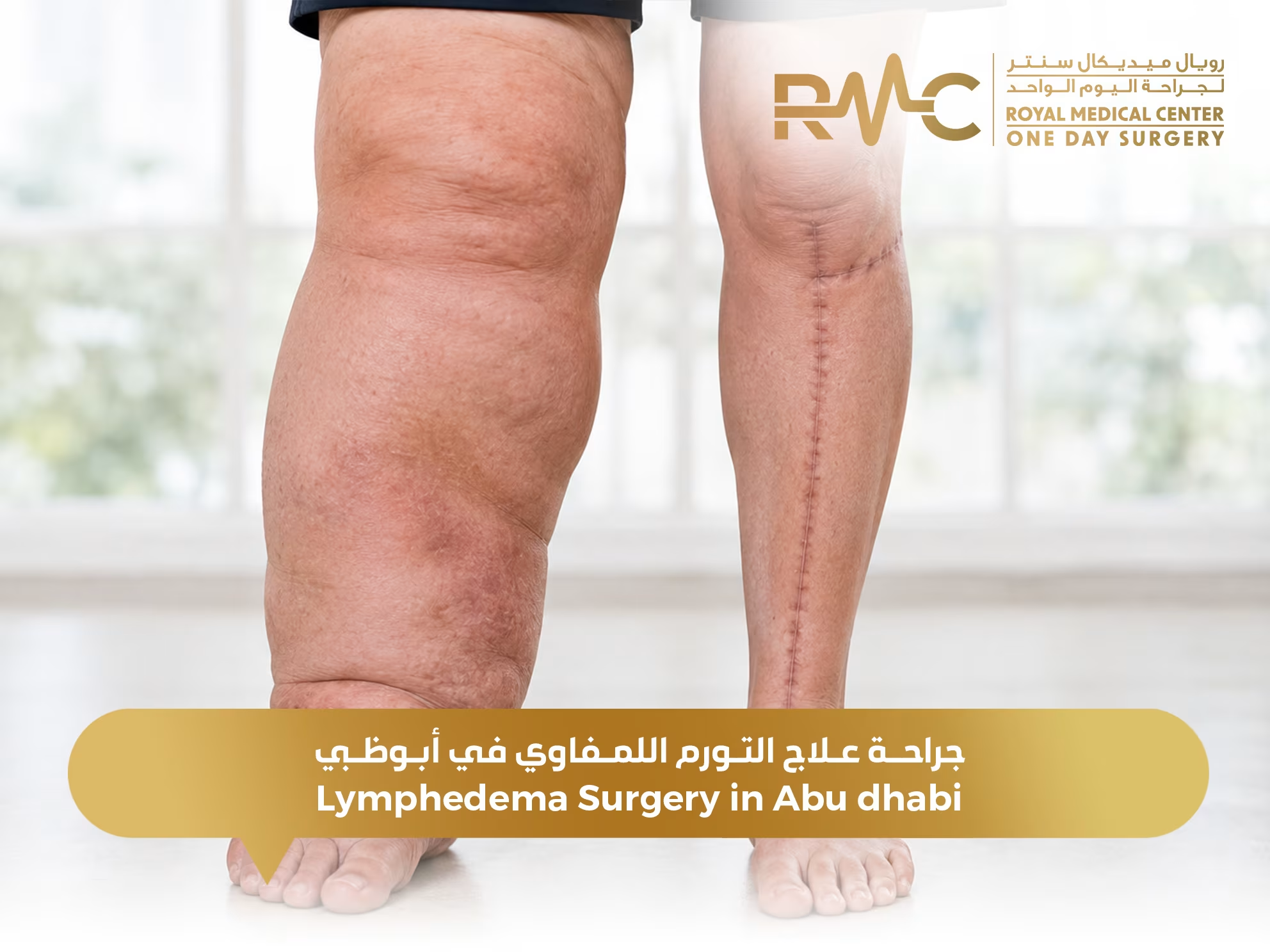
Living with chronic swelling in your arms or legs may be physically taxing and emotionally taxing. For many people who have undergone cancer treatment, excision of lymph nodes, radiation therapy or serious physical damage, rising oedema is more than a cosmetic problem. This is a sign of lymph oedema, a chronic issue caused by damage to the lymphatic system.In the past, persons with this condition were recommended to wear compression garments for life, have frequent manual lymphatic drainage, and control their symptoms. But with recent advances in medicine, the treatment of lymphatic diseases has evolved. Advanced surgical approaches may help improve lymphatic drainage and reduce symptoms in appropriately selected patients.
Royal Medical Center One Day Surgery offers sophisticated surgical methods, highly specialist care and thorough evaluation programs to assist patients regain mobility, comfort and physical confidence.
What is the Lymphatic System?
Your lymphatic system is an important part of your immune system and your circulatory system. It is a complicated network of arteries, nodes and channels that gathers excess fluid, proteins and cell waste from the tissues of the body and returns them safely to the circulation. If lymph tubes are damaged, blocked or surgically removed, fluid can’t drain correctly. This results in a collection of protein-rich fluid in the soft tissue under the skin, which causes:
- Increased swelling of one or both arms or legs
- Feeling of stiffness, heaviness, or pain of the affected limb
- Joint stiffness and limited mobility
- Cellulitis or other repeated skin infections
- Thickening and hardening of the skin (fibrosis) over time.
Conservative treatment such as compression sleeves is still part of the management of lymphoedema patients but surgical approaches may help improve or redirect lymphatic drainage in appropriately selected patients.
The Evolution of Surgical Treatment for Lymphedema
Great progress has been made in the surgery of lymphatic disorders during the previous two decades. Modern surgical treatment involves not only excision of bulky tissue, but physiologic restoration, re-establishing working drainage routes inside the afflicted limb. A lymphedema surgeon with specific skills may work directly on microscopic lymph vessels, utilising high-powered surgical microscopes, sophisticated equipment and ultra-fine sutures (which are usually thinner than a human hair). These advanced approaches are within the realm of microsurgery and super microsurgery for lymphoedema.
This is done by finding healthy working lymph channels at the location of the blockage so surgeons may bypass the blockages and re-establish normal internal fluid circulation.
Innovative Techniques: Lymphatic Bypasses and LVA Surgery
LVA is an established microsurgical option that may be considered for selected patients with lymphedema.
How does LVA surgery work?
In the lymphatic bypass procedure the surgeon makes tiny, superficial incisions in the skin over the afflicted area. The surgeon may locate very small functional lymphatic channels (typically 0.2 to 0.8 mm in diameter) and stitch them to surrounding small veins using special near-infrared imaging dyes (such as indocyanine green angiography). This creates a functional shunt that permits the trapped lymphatic fluid to flow directly into the venous system, bypassing the blocked lymph nodes altogether.
The primary advantages of LVA surgery are:
- Minimally Invasive: Through little skin wounds which heal with minimal scarring.
- Outpatient or Local Care: Many procedures are conducted as day surgeries with short recovery times.
- Potential Symptom Relief : Some patients may experience improvement in swelling, heaviness, tightness and other lymphedema-related symptoms following treatment.
- Reduced Cellulitis Risk: LVA may help reduce the frequency of recurrent cellulitis in some patients.
- Fewer Compression Needs: Some patients may be able to reduce their reliance on compression garments after surgery, depending on their clinical response and specialist advice.
Comprehensive Lymph edema Reconstruction Options
Modern solutions in lymph oedema repair may comprise combination of different modalities based on the specific stage of swelling of the patient, apart from bypass procedures:
- Lymphaticovenous Anastomosis (LVA): LVA may be considered when suitable functioning lymphatic vessels can be identified.
- Vascularised Lymph Node Transfer (VLNT): Selected lymph nodes with their blood supply are transferred from a donor site to the affected area to support lymphatic drainage.
- Suction-Assisted Lipectomy: In severe situations of chronic swelling with permanent fatty deposits and tissue fibrosis, specialist liposuction procedures may be employed to remove the hardened tissue before or during reconstructive operations.
A comprehensive assessment by a specialist experienced in lymphedema management is important to determine the stage of the condition and whether conservative therapy, surgery or a combination of approaches may be appropriate.
Why Should You Choose Royal Medical Center One Day Surgery?
One of the most crucial decisions you will make on your route to treatment is selecting the right hospital and surgical team. Microsurgical and super microsurgical procedures need expert skills, careful equipment and a favourable clinical environment. Royal Medical Center One Day Surgery Abu Dhabi is committed to provide top quality outpatient surgical services. We focus on specialised surgical care with a personalised, patient-centred approach :
- Evaluation by Experts: A thorough evaluation is carried out in order to assess the state of the patient and determine the best way of treating him/her.
- Specialized Surgery Facilities: Lymphedema surgery requires specialized skills as well as facilities in order to provide the patient with proper care.
- Day Surgery Management: Outpatient management programs are available that allow patients to get treated and recover at their homes on the same day.
- Rehabilitation Collaboration: We work together with rehabilitation experts and compression therapists to ensure the success of your surgery.
What to Expect when Coming for Your Surgery?
It is easy to undergo a surgical evaluation:
- First Consultation: Your specialist will assess your health background, history of any previous cancer surgery and current condition.
- Lymphatic Mapping: Using specialized diagnostic techniques, mapping of the lymph vessels and fluid movement takes place.
- Surgery Planning: Based on your diagnostics results, your doctor will suggest you the best option – LVA or reconstruction.
- Procedure Day: At Royal Medical Center One Day Surgery, we carry out Procedure Day Surgery with accuracy and promptness.
- Recovery & Rehab: After the procedure you will be given advice on how to optimise fluid mobility as your body settles into its new drainage highways.
F.A.Q (Frequently Asked Questions)
Q: Who can get lymphoedema surgery?
A: Patients with confirmed lymphedema whose symptoms remain troublesome despite appropriate conservative management may be evaluated for surgery. Suitability depends on the cause and stage of lymphedema, lymphatic vessel function, overall health and the procedure being considered. However, for patients in the later stages of the disease, combined surgical techniques may prove to be more beneficial.
Q: Is LVA surgery painful?
A: Because LVA surgery is minimally invasive and only involves tiny incisions in the skin, patients typically have relatively moderate post-operative pain that may vary with standard over-the-counter or prescription drugs.
Q: Which compression garments should I wear after surgery?
A: During the early healing phase while new connections emerge, most patients will wear compression garments. With better evacuation of the fluid, many patients may reduce the heaviness of the garment or the wearing period over time.
Q: How long does it take to recover from microsurgery for outpatient lymphedema?
A: The recovery period will depend on the individual, but since procedures at Royal Medical Center One Day Surgery are carried out using improved outpatient techniques, most patients may return to normal light activities within a few days to a week.
Conclusions
The persistent limb swelling does not have to entail a life of discomfort or decreased mobility. Recent advances in super microsurgery for lymph oedema mean there are now advanced treatment options available for patients here in the UAE. If you are seeking relief from the initial swelling following treatment or long-term remedies to reduce the need for heavy compression, specialist lymphedema treatments in Abu Dhabi may assist. Take control of your health now. At Royal Medical Center One Day Surgery in Abu Dhabi, patients can receive a detailed evaluation to better understand their condition and explore suitable treatment options. Consult a specialist to determine whether surgical or conservative lymphedema management may be appropriate for your individual needs.
