


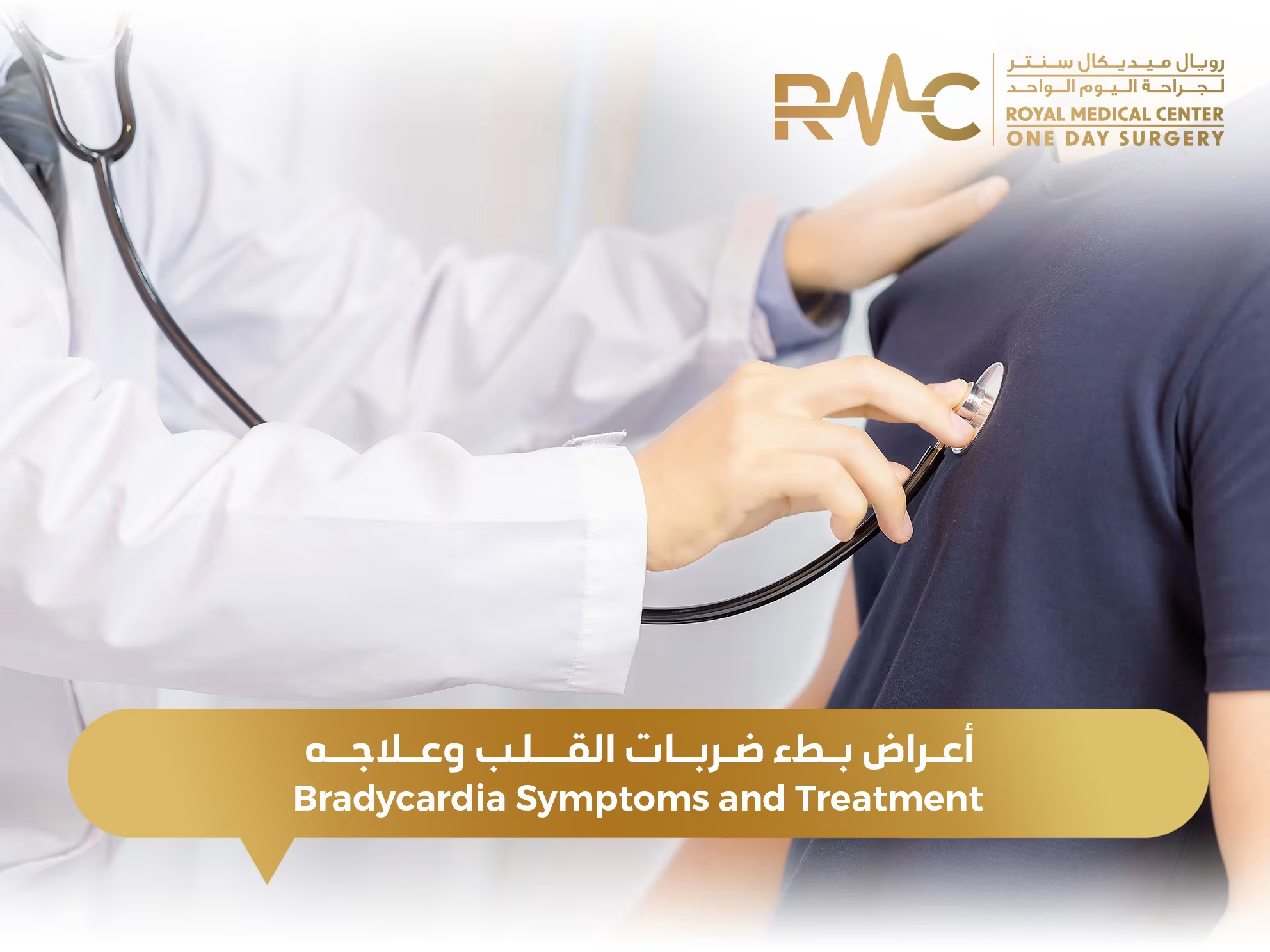
A healthy heart beats in a regular, coordinated rhythm to pump oxygen-rich blood to every organ and tissue in the body. The normal resting heart rate for an adult is generally between 60 and 100 beats a minute. Bradycardia is the medical term for a slower than normal heart rate, which is a rate less than 60 beats per minute. In well-trained athletes a slow heart rate may be a sign of outstanding physical condition, but in many others it is an indication of a problem with the heart’s electrical conduction system. When the heart is unable to pump enough oxygenated blood to meet the body’s metabolic needs, a variety of unpleasant and possibly dangerous symptoms may develop. You may see a skilled cardiologist in Abu Dhabi on time to get a proper diagnosis and a personalised care plan. Royal Medical Center One Day Surgery provides compassionate and competent care for the safe and successful treatment of heart rate abnormalities in Abu Dhabi.
What is the cause of bradycardia?
Understanding the main culprits that lead to bradycardia is easier when we look at the heart’s natural pacemaker, the sinoatrial node or SA node, and the complex electrical wiring of the heart. If there is a disruption anywhere along these channels the heart rate might fall below normal values.
Common causes of a sluggish heart rate:
- Age-Related Degeneration: As a person ages, the electrical circuits of the heart naturally begin to deteriorate, leading to sick sinus syndrome or conduction blockages.
- Heart Tissue Damage: Previous heart attacks, coronary artery disease, myocarditis (inflammation of the heart muscle), or endocarditis may scar heart tissue and interfere with electrical impulses.
- Side Effects of Medication: Many prescription medications, including beta-blockers, calcium channel blockers, digoxin and antiarrhythmic medicines, may cause a slowing of heart rate.
- Metabolic Imbalances: An underactive thyroid gland (hypothyroidism) causes the body’s activities to slow down, including the heartbeat. Cardiac conduction is also altered by electrolyte abnormalities, such as excessive blood potassium (hyperkalaemia).
- Obstructive Sleep Apnoea: Severe untreated sleep apnoea may induce recurrent reductions in blood oxygen levels during sleep which might provoke severe nite time bradycardia.
- Congenital Heart Defects: Structural abnormalities of the heart existing at birth may disrupt normal electrical conduction.
What are the Symptoms of a Low Heart Rate?
The severity of bradycardia symptoms among Abu Dhabi residents depends on how much the heart rate is slowed down and how well the heart is still able to provide blood to the brain and other organs. Other people with moderate bradycardia may not have any symptoms at all, whereas for others there may be major disturbances to everyday life.
Here are the key indications of sluggish heartbeat to watch out for:
- Persistent Fatigue and Weakness : You may feel perpetually depleted or sluggish even after a good night’s sleep, since your muscles and organs aren’t getting enough oxygen.
- Dizziness and Lightheadedness: A sudden or ongoing sense of faintness due to a reduction in blood supply to the brain.
- Fainting (Syncope) or Near-Fainting: Sudden loss of consciousness for a short time due to extreme reductions in cerebral blood pressure.
- Shortness of Breath: Feeling breathless with light everyday tasks or even during rest.
- Chest Pain or Tightness: Discomfort in the chest that occurs when the heart muscle itself doesn’t get enough blood with oxygen.
- Confusion or Memory Impairment: Decreased cerebral perfusion may lead to difficulty focusing, transient memory loss or brain fog.
- Exercise Intolerance: The incapacity to engage in physical tasks or exercise owing to the heart’s inability to raise its pace in response to effort.
If you or a family member suffer from recurrent episodes of lightheadedness, inexplicable weariness or fainting spells, it’s important to take the first step toward safeguarding your cardiovascular health by seeing a bradycardia specialist.
Diagnostic Evaluation of Bradycardia
Bradycardia diagnostic in Abu Dhabi, doctors check whether the slow heart rate is temporary, medication-induced, or permanent and if the exact underlying reason is identified.
Royal Medical Center One Day Surgery diagnostic assessments include, but are not limited to:
- Full Electrocardiogram (ECG/EKG) – A simple and painless test that captures the electrical activity of the heart as it happens, to check for irregular rhythms and delays in conduction.
- Holter and Event Monitoring: Portable ECG equipment that you wear that constantly monitor and record cardiac rhythms throughout 24 hours, 48 hours, or even weeks to notice occasional decreases in heart rate during regular everyday activities.
- Echocardiogram: An ultrasonic scan of the heart that produces comprehensive pictures of the heart’s anatomy, valve function and overall pumping efficiency.
- Lab work: Comprehensive blood panels to assess thyroid hormone levels, electrolyte levels, and levels of cardiac biomarkers.
- Stress testing : Exercise. Evaluation of the heart rate response to physical activity on a treadmill or stationary bicycle.
Bradycardia Treatment in Abu Dhabi - What are the Advanced Options?
After the diagnostic workup, a specialised bradycardia expert based in Abu Dhabi will create a personalised treatment plan. Treatment relies largely on the underlying cause, the severity of symptoms and the overall heart function.
- Addressing Root Causes: If a slow pulse is due to an underactive thyroid or an electrolyte imbalance, addressing the underlying medical problem will typically bring the heart rhythm back to normal without the need to directly intervene on the heart.
- Changing or Stopping Medications: If the bradycardia is caused by prescription medicines for high blood pressure or heart disease, your cardiologist may lower the dose, stop the treatment, or prescribe a different drug that does not cause suppression of the heart rate.
- Implantation of a Pacemaker: The best therapy for a blockage in the pathways that carry electrical signals through the structure of your heart or for recurrent sick sinus syndrome is to install a tiny medical device called a pacemaker. A pacemaker is inserted under the skin around the collarbone. Small wires are threaded to the heart . The device constantly monitors rhythm and administers moderate , painless electrical impulses to maintain the heart pumping at a healthy , steady pace if it slows down too much.
Royal Medical Center One Day Surgery provides innovative, minimally invasive techniques and organised outpatient monitoring for patients looking for slow heart rate therapy in Abu Dhabi care.
FREQUENTLY ASKED QUESTIONS
Q:Is a heart rate less than 60 beats per minute a problem?
A: Not really. Well conditioned athletes, young adults, and those in profound sleep may have resting heart rates below 60 beats per minute without any health implications . If the sluggish rate creates symptoms that you may feel like dizziness, fainting or chest tightness then this is a medical problem.
Q: Can changes in lifestyle treat bradycardia?
A: While good heart-healthy practices like eating a well-rounded diet, being active, managing stress, and avoiding tobacco are beneficial for overall cardiovascular health, structural conduction difficulties or heart block sometimes need medical therapy or a pacemaker.
Q: How can I know whether I need a pacemaker for a sluggish heartbeat?
A: If your tests reveal ongoing, symptomatic bradycardia or widespread electrical heart block that cannot be resolved by modifying your medication or by addressing underlying issues, your cardiologist will propose a pacemaker.
Conclusion
A slower than normal heart rate may sap your vitality, impede with everyday functioning and perhaps hide health threats when untreated. Seeing the indicators, such as constant tiredness, lightheadedness and breathlessness, might prompt you to get professional medical help in good time, before issues develop.
The expert cardiac team at Royal Medical Center One Day Surgery offers a full examination, state-of-the-art diagnostic mapping and personalised management programs for patients with heart rhythm abnormalities. Prioritise your heart health now. Schedule your appointment with our expert at Royal Medical Center One Day Surgery for the attention you need.
