


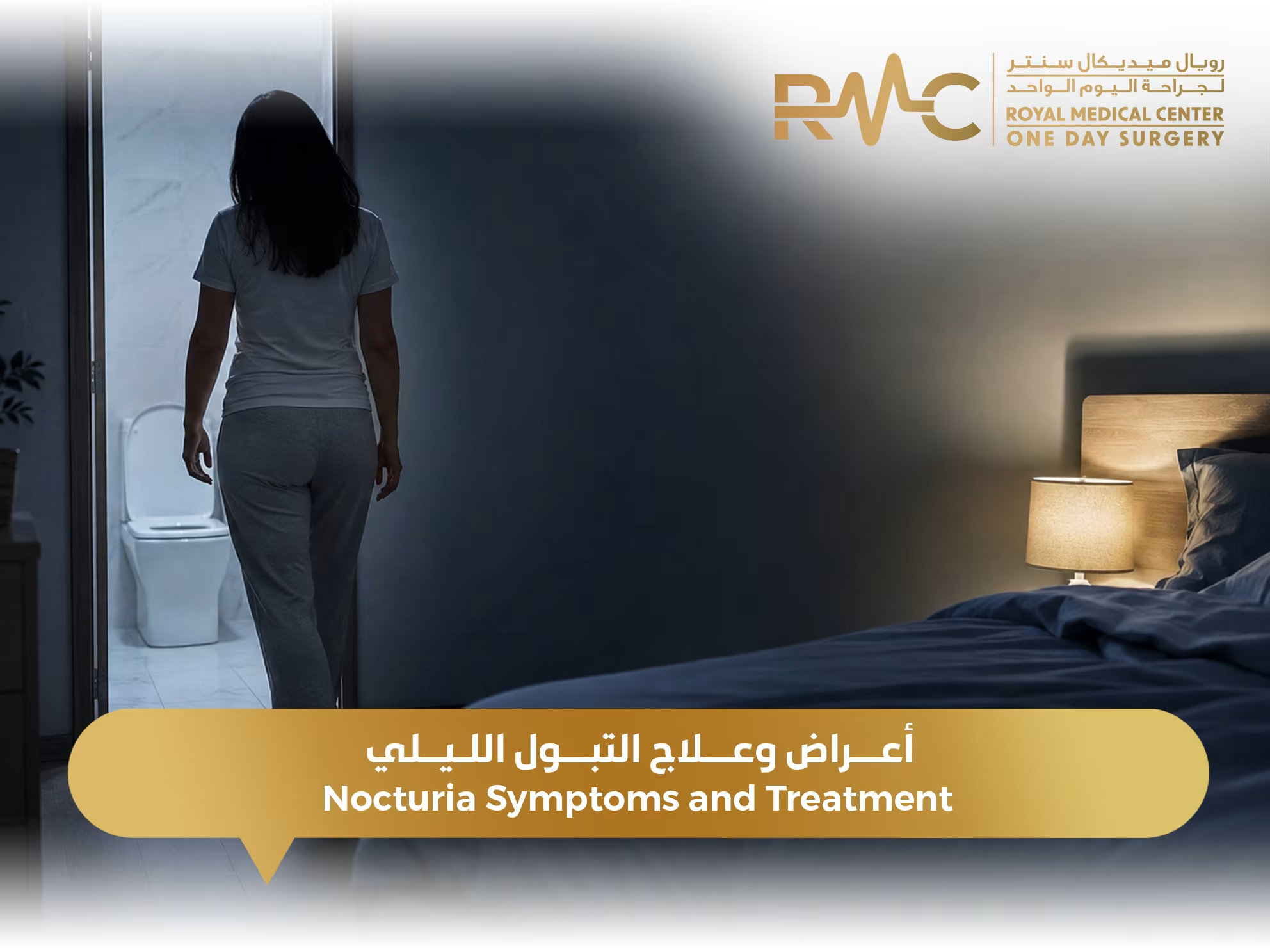
A good solid and uninterrupted nite of sleep is vital to maintaining up energy, focus and overall physical fitness. Millions of individuals battle the need to wake up and use the bathroom every night, interrupted by the call of nature. Waking up one or two times throughout the night is natural and generally harmless. If you have to pee two or more times throughout the night, it is a separate medical condition called Nocturia.
Nocturia is not a disease in itself, but rather a clinical sign of an underlying physiological imbalance, a lower urinary tract disorder or a systemic health issue. Sleep disturbances are more than a nuisance. These recurring sleep interruptions might result in persistent fatigue, lower daytime productivity, mood disturbances and a greater risk of falls during the night, particularly in the elderly population. Understanding the root causes of Nighttime Urination in Adults and receiving an instant assessment from a skilled Nocturia Doctor in Abu Dhabi will assist you to restore your sleep quality and protect your overall health. Royal Medical Center One Day Surgery offers a complete variety of diagnostic tests and personalised treatment options to guarantee the safe and effective management of Nocturia Treatment in Abu Dhabi.
Nocturia: What are the causes?
In an effort to find out the specific Causes of Nocturia, the overall health of the patient has to be checked, lifestyle habits, fluid intake and the functioning of the bladder. Common reasons of frequent urination at nite fall into four broad categories:
Nocturnal polyuria (too much urine at nite):
Healthy individuals make more antidiuretic hormone, or ADH, which usually means they urinate less while sleeping. Nocturnal polyuria in such individuals indicates that the volume of urine generated at nite is more than 20 to 30 percent of the total volume of urine produced in 24 hours. This condition is often connected with:
- Congestive heart failure or peripheral oedema (fluid that collects in the legs throughout the day and recirculates when you lay down).
- Obstructive sleep apnoea (causes the heart to generate natriuretic peptides which stimulate the excretion of fluid).
- Drinking too much fluid in the evening, particularly caffeinated or alcoholic beverages.
Polyuria (Increased Urine Output in 24 Hours):
This occurs when the body is making too much urine all the time, throughout the day and nighttime. The major reasons are uncontrolled diabetes mellitus, diabetes insipid us and polydipsia (excessive fluid intake).
Decreased Bladder Capacity (Lower Urinary Tract Dysfunction):
If your bladder can't hold typical amounts of urine or can't empty completely, you'll have to go to the bathroom again and again. Underlying common difficulties are:
- In Men: Prostate enlargement ( benign prostatic hyperplasia, or BPH) presses on the urethra. The bladder cannot empty completely and sends out signals of early filling.
- Nocturia in Women: Relaxation of pelvic floor muscles, prolapse of bladder (cystocele) or overactive bladder (OAB) condition.
- Neurogenic Bladder: Stroke, multiple sclerosis, and Parkinson’s disease are examples of conditions that disrupt the nerve impulses between the brain and the bladder.
- Bladder stones or urinary tract infections (UTIs): Constant painful urges to urinate are caused by local irritation and inflammation.
Trouble sleeping
Other individuals wake up because of major sleep disorders like insomnia or sleep apnoea and then only go to the bathroom because it is a habit to do so when they are awake. They think they have to pee while they are awake.
What are the signs of Nocturia?
This disorder is characterised by an urge to avoid many times throughout the major sleep period. But frequently patients have secondary Nocturia Symptoms due to the underlying cause, such as:
- Disrupted Sleep and Chronic tiredness: Disrupted sleep cycles result in chronic daytime sleepiness, brain fog and tiredness.
- Urgency: a strong, unpostponable sensation of needing to urinate.
- Frequency: Frequent urination during the day.
- Weak Stream or Hesitancy: Difficulty starting the stream, dribbling at the end, or feeling that the bladder is not emptied (frequent in men with prostate issues).
- Incontinence: Pee leaks uncontrollably while attempting to go to the bathroom at midnight.
If you think Excessive Urination at Nite is affecting your alertness during the day or overall quality of life, seeing a Nocturia Specialist in Abu Dhabi is a critical step to get long-lasting relief.
Comprehensive Diagnostic Approach
Correct identification of the cause of Noisy Frequent Urination requires a thorough clinical work-up. At Royal Medical Center One Day Surgery, your evaluation generally includes:
- Fluid and Voiding Diary in Detail: The patient maintains a record of the quantity and type of fluid intake, volume of urine output and time of urination over a 24-48 hour period to establish the ratio of daytime to nighttime output.
- Urinalysis and urine culture: Tests for urinary tract infections, microscopic blood, protein, and sugar.
- Post-Void Residual (PVR) Ultrasound: This is a quick and painless scan that you will have immediately after you urinate to see how much urine is remaining in your bladder.
- Prostate and Pelvic Assessment: Tests to assess prostate size (in males) and support of pelvic organs (in women).
- Blood Panels: Tests for kidney function, electrolytes, fasting blood sugar and blood sugar control.
How to Treat Nocturia?
Therapy is only successful if the precise cause of nocturnal fluid production or bladder storage difficulties is identified and treated.
Changes in Behaviour and Lifestyle
Moderate instances may be improved a lot with simple daily tweaks:
- Limit fluid consumption 2-3 hours before bedtime.
- Cutting down on coffee and alcohol, particularly in the late afternoon and evening.
- Elevate swollen legs for a few hours late afternoon to promote reabsorption of excess fluid into the circulation before sleep.
- Right before going to bed, double void (urinate, wait a few minutes, then try again) to make sure the bladder is empty.
Medical Management
If changes in lifestyle are not sufficient, several medical procedures are added:
- For Prostate Enlargement: Alpha-blockers or 5-alpha reductase inhibitors are utilised to relax the prostate tissue and allow for increased urine flow.
- For Overactive Bladder: medications that are anticholinergic or beta-3 agonist to lessen involuntary spasms of the bladder muscle.
- For Nocturnal Polyuria: Synthetic antidiuretic hormone analogues (eg, desmopressin) can reduce kidney production of urine at nite.
- If you are retaining fluid: Take your diuretic medications in the early afternoon so they have time to get the excess fluid out of you before sleep.
Royal Medical Center One Day Surgery provides full clinical evaluation and outpatient treatment programs for individuals who require professional assistance.
F.A.Q (Frequently Ask Questions)
Q: How many times is it normal to get up at nighttime to pee?
A: It’s common to wake up now and again throughout the night to pee, especially as a person becomes older. But if you are waking up two or more times a night on a regular basis, this is considered clinical nocturia and should be addressed by your doctor.
Q: Is nocturia just a typical part of getting older?
A: Hormone changes and bladder flexibility do increase the likelihood of having to urinate at night as we become older, however severe nocturia is not a normal part of aging. Luckily there are practical solutions to appropriately handle the situation.
Q: Will therapy for sleep apnoea help with nite time urination?
A: Yes. Obstructive sleep apnoea causes negative variations in pressure in the chest and these changes signal to the heart to release hormones that direct the kidneys to manufacture more urine. CPAP therapy for sleep apnoea is typically a big reduction of nocturnal potty journeys.
Conclusion
Waking up multiple times a nite destroys the critical architecture of sleep and leaves you feeling drained. This may also be bad for your general physical and emotional wellbeing. If you know that frequent urination at night is a medical symptom that can be addressed, then you can fix the issue and experience quiet, undisturbed Nights again. The skilled medical experts at Royal Medical Center One Day Surgery will provide you with complete diagnostic evaluations and individualised treatment regimens to assist you comfortably manage your lower urinary tract health and sleep difficulties. Take control of your sleep and your health now. Get expert care when you need it at Royal Medical Center One Day Surgery — book a doctor’s appointment now.
